Caramelized onions are a must-know skill for home cooks. Knowing how to make caramelized onions can elevate your dishes with their sweet and rich flavor. These golden, jammy delights are perfect for enhancing burgers, pastas, and sandwiches, making them a versatile addition to various meals. With just a few simple ingredients and some patience, you can create this culinary magic at home.
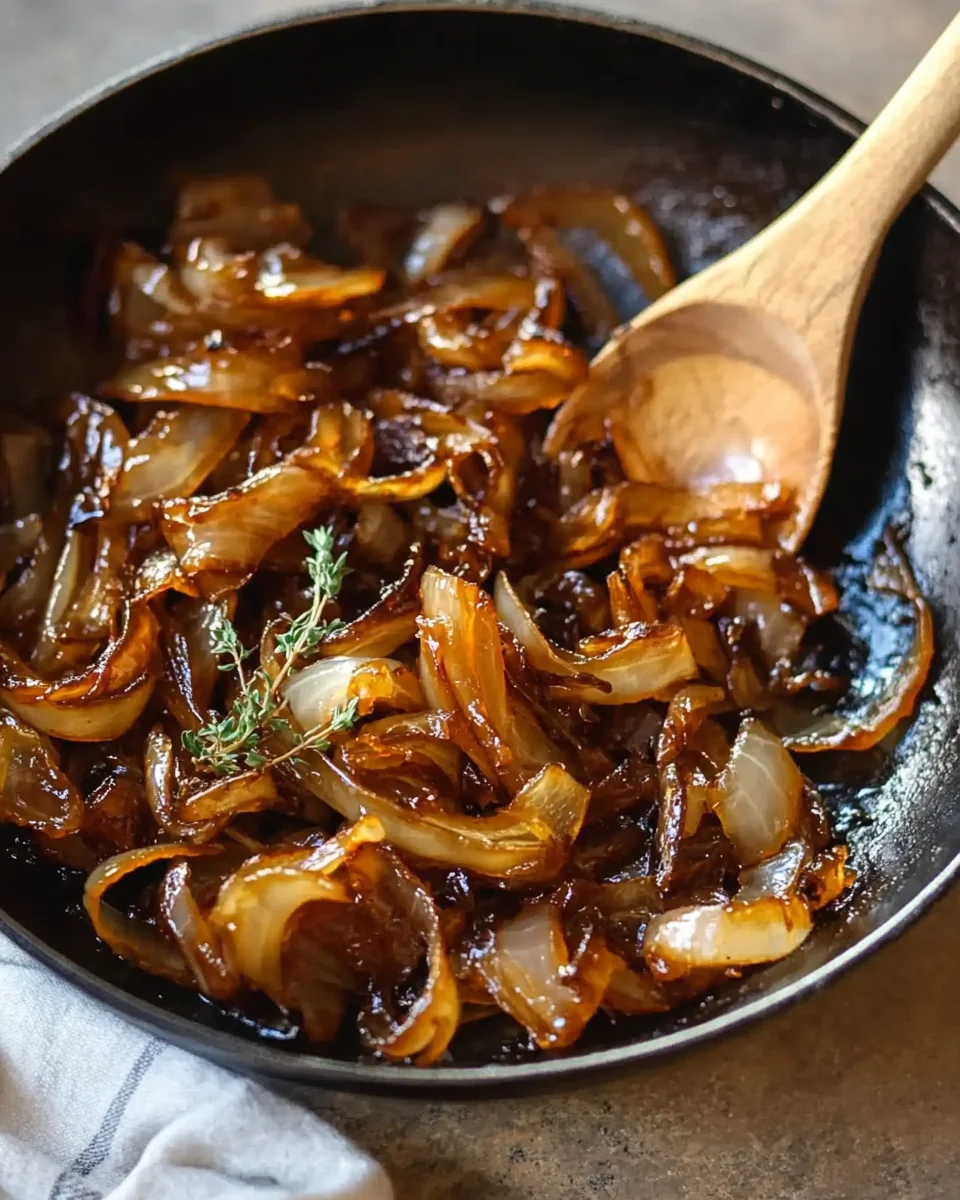
Why You’ll Love This Recipe
- Easy Preparation: This recipe requires minimal effort and only a handful of ingredients.
- Rich Flavor: Slowly cooking the onions brings out their natural sweetness, creating a complex flavor profile.
- Versatile Use: Perfect as a topping for burgers, pizzas, or even stirred into soups and sauces.
- Make Ahead: You can prepare caramelized onions in advance and store them for later use.
- Healthy Option: Made with fresh ingredients, these onions provide a nutritious boost to any meal.
Tools and Preparation
Before diving into the recipe, gather your essential tools to ensure a smooth cooking process.
Essential Tools and Equipment
- Large skillet
- Wooden spoon or spatula
- Cutting board
- Sharp knife
Importance of Each Tool
- Large skillet: A wide surface allows for even cooking and browning of the onions.
- Wooden spoon or spatula: Ideal for stirring without scratching your skillet and helps in scraping up any fond stuck to the pan.
Ingredients
For the Caramelized Onions
- 2 tablespoons butter
- 1 tablespoon canola oil
- 3 large yellow onions, peeled, halved, and thinly sliced
- 1 teaspoon kosher salt
- 3 sprigs fresh thyme (leaves only)
- 1 tablespoon white balsamic vinegar (optional)
How to Make Caramelized Onions
Step 1: Heat the Fats
Heat the butter and canola oil in a large skillet over medium-high heat until melted.
⭐ Join Thousands of Happy Customers Who Love These Coffee Scoops!
Step 2: Add Onions and Seasoning
Add the sliced onions, kosher salt, and thyme leaves to the skillet.
Step 3: Initial Cooking
Cook for about 5 minutes, stirring occasionally until the onions begin to soften.
Step 4: Reduce Heat
Reduce heat to medium-low and cover with a lid.
Step 5: Slow Caramelization
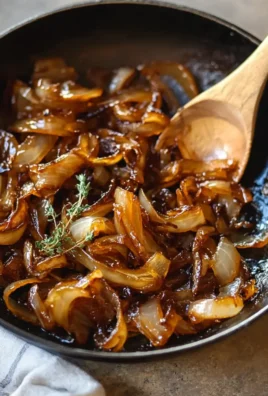
Continue cooking for up to 1 hour, stirring every 10–15 minutes. Allow the onions to slowly caramelize until they become golden, soft, and jammy.
Step 6: Adjusting Consistency
If the onions begin to burn or stick to the pan, add a splash of water or broth and scrape the bottom of the pan gently.
Step 7: Finishing Touches
Add white balsamic vinegar during the last 10 minutes of cooking if desired. Cook until deeply caramelized.
Now you’re ready to enjoy your delicious caramelized onions! Store any leftovers in an airtight container in the refrigerator for up to one week. Enjoy these flavorful additions in various dishes!
How to Serve How to Make Caramelized Onions
Caramelized onions are a versatile addition to many dishes. Their sweet and savory flavor elevates meals, making them a perfect topping or ingredient in various recipes.
On Burgers
- Juicy beef or veggie burgers topped with caramelized onions add a rich sweetness that enhances the overall flavor.
In Sandwiches
- Add caramelized onions to grilled cheese or paninis for an extra layer of taste that pairs well with cheese and meats.
Over Pasta
- Toss caramelized onions with pasta along with olive oil and herbs for a simple yet delicious dish that highlights the onions’ natural sweetness.
As Pizza Topping
- Use them as a pizza topping along with goat cheese or mozzarella for a gourmet twist on your homemade pizza.
In Salads
- Incorporate warm caramelized onions into salads for added texture and flavor, especially in spinach or mixed greens salads.
With Roasted Vegetables
- Serve caramelized onions alongside roasted veggies to add depth and sweetness, complementing the earthiness of the vegetables.
How to Perfect How to Make Caramelized Onions
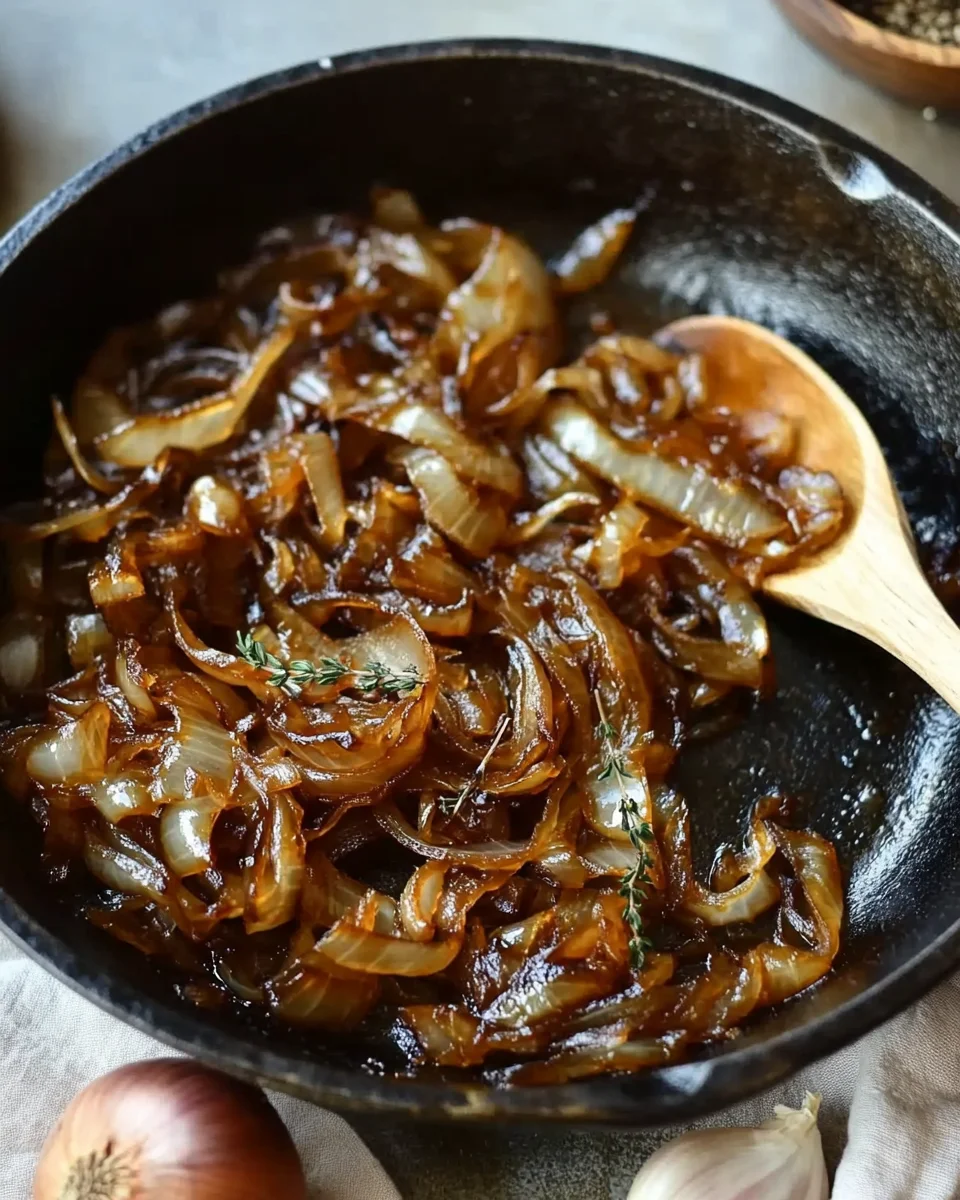
To achieve perfectly caramelized onions, patience is key. Following simple tips can enhance their flavor and texture significantly.
- Low and slow cooking – Cook onions over low heat for an extended period; this allows sugars to develop fully, resulting in deep flavor.
- Stir occasionally – Stirring every 10-15 minutes helps promote even cooking without burning, ensuring all onions caramelize beautifully.
- Use quality fat – Mixing butter with oil gives optimal flavor while preventing burning due to the higher smoke point of canola oil.
- Add liquid if necessary – If the onions start to stick or burn, adding water or broth can help deglaze the pan and enhance richness.
- Experiment with vinegar – Adding balsamic vinegar towards the end adds acidity that balances sweetness, enhancing overall taste.
- Store properly – Keep caramelized onions in an airtight container in the fridge for up to a week for easy use in various dishes.
Best Side Dishes for How to Make Caramelized Onions
Caramelized onions pair wonderfully with many side dishes. Here are some excellent options that complement their rich flavor.
- Garlic Mashed Potatoes – Creamy mashed potatoes infused with garlic provide a comforting base that works well with sweet onions.
- Roasted Brussels Sprouts – The slight bitterness of roasted Brussels sprouts pairs perfectly with the sweetness of caramelized onions.
- Grilled Asparagus – Lightly charred asparagus spears offer a fresh contrast that balances the richness of caramelized onions.
- Quinoa Salad – A light quinoa salad tossed with herbs and lemon juice makes a refreshing side that complements caramelized flavors.
- Macaroni and Cheese – Rich, cheesy macaroni becomes even more indulgent when topped with sweet caramelized onions.
- Coleslaw – A tangy coleslaw can counterbalance the sweetness of the onions, making it an excellent side option.
- Cornbread – Sweet cornbread served warm alongside caramelized onion dishes creates a delightful combination of flavors.
- Steamed Broccoli – The slight crunch of steamed broccoli provides texture and freshness when served next to caramelized onion recipes.
Common Mistakes to Avoid
When learning how to make caramelized onions, it’s easy to encounter some common pitfalls. Here are key mistakes to watch out for:
-
Rushing the process: Caramelizing onions takes time. If you cook them too quickly over high heat, they may burn instead of caramelize. Stick to medium-low heat for the best results.
-
Overcrowding the pan: Adding too many onions at once can trap steam and prevent proper browning. Cook in batches if necessary to ensure even caramelization.
-
Neglecting to stir: While you want to let the onions cook undisturbed, frequent stirring is essential for even cooking. Stir every 10–15 minutes to prevent sticking and burning.
-
Ignoring moisture: If your onions start to stick or burn, it’s a sign they need moisture. Adding a splash of water or broth can help deglaze the pan and enhance flavor.
-
Not using enough fat: Fat helps in achieving that rich flavor and texture. Make sure you’re using enough butter or oil, as this is crucial for successful caramelization.
Storage & Reheating Instructions
Refrigerator Storage
- Container: Store caramelized onions in an airtight container.
- Duration: They can be kept in the fridge for up to one week.
- Cooling: Allow onions to cool before sealing them in the container.
Freezing How to Make Caramelized Onions
- Container: Use freezer-safe bags or airtight containers.
- Duration: You can freeze them for up to three months.
- Portioning: Consider portioning them into smaller amounts for easy use later.
Reheating How to Make Caramelized Onions
-
Oven: Preheat your oven to 350°F (175°C). Spread onions on a baking sheet and heat until warmed through, about 10-15 minutes.
-
Microwave: Place onions in a microwave-safe dish with a splash of water. Cover and heat in 30-second intervals until hot.
-
Stovetop: Heat a skillet over medium heat. Add a little oil or butter and sauté the onions until warmed through, stirring occasionally.
Frequently Asked Questions
Here are some common questions regarding how to make caramelized onions:
What type of onion is best for caramelizing?
Yellow onions are ideal due to their natural sweetness when cooked slowly. However, you can also use sweet onions like Vidalia for an even sweeter result.
How long does it take to properly caramelize onions?
Typically, it takes about one hour on low heat for caramelized onions to reach that deep golden color and jammy texture.
Can I add other ingredients while caramelizing onions?
Yes! Feel free to add garlic, balsamic vinegar, or herbs like thyme towards the end of cooking for added flavor.
How do I know when my onions are properly caramelized?
Look for a deep golden brown color and a sweet aroma. The texture should be soft and jammy, indicating that they have fully developed their flavors.
Final Thoughts
Caramelized onions are not only delicious but also incredibly versatile. They can enhance burgers, sandwiches, pasta dishes, and so much more. Don’t hesitate to customize this recipe by adding your favorite herbs or spices! Try making them today and discover how these sweet-savory gems can elevate your meals.
Caramelized Onions
- Total Time: 1 hour 10 minutes
- Yield: Approximately 2 servings 1x
Description
Caramelized onions are a culinary treasure that can transform your favorite dishes with their rich, sweet flavor. Whether you’re enhancing a juicy burger, adding depth to pasta, or crafting the perfect grilled cheese, learning how to make caramelized onions is a skill every home cook should master. This simple yet satisfying recipe requires just a few ingredients and some patience, allowing you to create these golden gems in your kitchen. With their jammy texture and complex taste, caramelized onions are not only delicious but also versatile enough to complement a wide variety of meals.
Ingredients
- 2 tablespoons butter
- 1 tablespoon canola oil
- 3 large yellow onions, peeled, halved, and thinly sliced
- 1 teaspoon kosher salt
- 3 sprigs fresh thyme (leaves only)
- 1 tablespoon white balsamic vinegar (optional)
Instructions
- Heat the butter and canola oil in a large skillet over medium-high heat until melted.
- Add the sliced onions, kosher salt, and thyme leaves to the skillet.
- Cook for about 5 minutes, stirring occasionally until the onions begin to soften.
- Reduce heat to medium-low and cover with a lid.
- Continue cooking for up to 1 hour, stirring every 10–15 minutes until the onions are golden and jammy.
- If needed, add a splash of water or broth if the onions start to stick or burn.
- For added flavor, stir in white balsamic vinegar during the last 10 minutes of cooking.
- Prep Time: 10 minutes
- Cook Time: 60 minutes
- Category: Side Dish
- Method: Sautéing
- Cuisine: American
Nutrition
- Serving Size: 1/4 cup (60g)
- Calories: 75
- Sugar: 6g
- Sodium: 190mg
- Fat: 6g
- Saturated Fat: 3g
- Unsaturated Fat: 2g
- Trans Fat: 0g
- Carbohydrates: 7g
- Fiber: 1g
- Protein: 1g
- Cholesterol: 10mg
The Salad Bowls Amazon Chose and Customers Love!
Leave a Comment